Home
India Market Entry Consulting for US
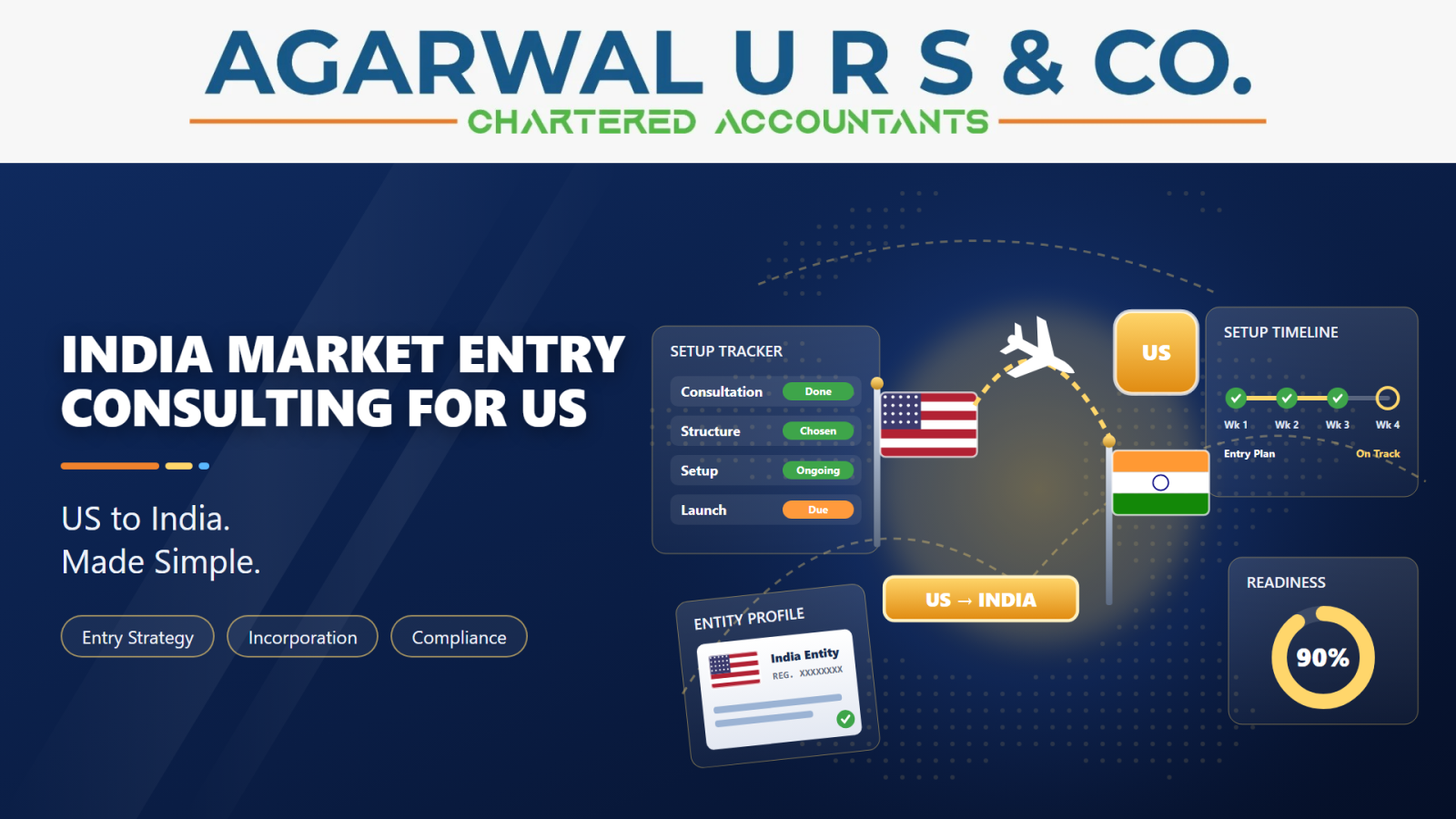
US companies entering India range from technology firms setting up captive development centres to manufacturers building a local sales and service presence, and each of these paths calls for a different entity structure and compliance roadmap. India's federal and state-level regulatory layers, combined with sector-specific investment rules, mean that a structure copied from another market rarely transfers cleanly. Getting the entity choice and registration sequence right early avoids costly restructuring once operations, employees, and contracts are already in place.
Why This Matters
US businesses frequently underestimate how much local nuance sits beneath India's headline ease of doing business, from state-specific labour registrations to the practical difference between a private limited company and a limited liability partnership for tax and liability purposes. Decisions made at incorporation, such as share capital structure, director residency requirements, and the choice between a subsidiary and a branch, have lasting consequences for repatriation of profits, US tax reporting obligations under GILTI and Subpart F rules, and the ability to raise local debt or bring in Indian co-investors later.
How We Help
Entity Selection and US Tax Alignment
We help you choose between a wholly owned subsidiary, a joint venture, or a liaison or branch office based on your operating model, and we work alongside your US tax advisors to ensure the Indian structure does not create unintended consequences under US international tax rules.
Incorporation and Statutory Registrations
We manage end-to-end incorporation with the Ministry of Corporate Affairs, along with the tax, goods and services tax, and employment-related registrations needed before the entity can legally hire staff, invoice customers, or open Indian bank accounts.
Foreign Exchange and Investment Reporting
Capital brought in from the US must be reported to the Reserve Bank of India within prescribed timelines, and we ensure these filings, along with annual foreign liabilities and assets returns, are completed accurately so that future fundraising or repatriation is not held up by past non-compliance.
Employment and Data Considerations
For US companies setting up captive centres or shared services operations, we advise on employment contract structures, statutory benefits, and data transfer arrangements between the Indian entity and the US parent, an area that increasingly draws attention from Indian data protection regulators.
Who Needs This
- US technology companies establishing India-based development or GCC centres
- Manufacturers and industrial firms building local sales and after-sales service operations
- Professional services and consulting firms opening an Indian delivery arm
- Private equity and venture investors setting up structures to hold Indian portfolio companies
Our Approach
We coordinate directly with your US legal and finance teams so that the Indian entity is designed with US reporting obligations in mind from day one, rather than treating India as a standalone project. Our advice reflects current Reserve Bank of India and Ministry of Corporate Affairs practice, and we remain available as your US-India structure evolves, whether that means adding a second entity, converting a liaison office into a subsidiary, or preparing for an eventual sale.
Get in Touch
To discuss how we can support you with India market entry consulting for US-based businesses, write to us at info@agarwalurs.com.
Get In Touch