Home
Due Diligence
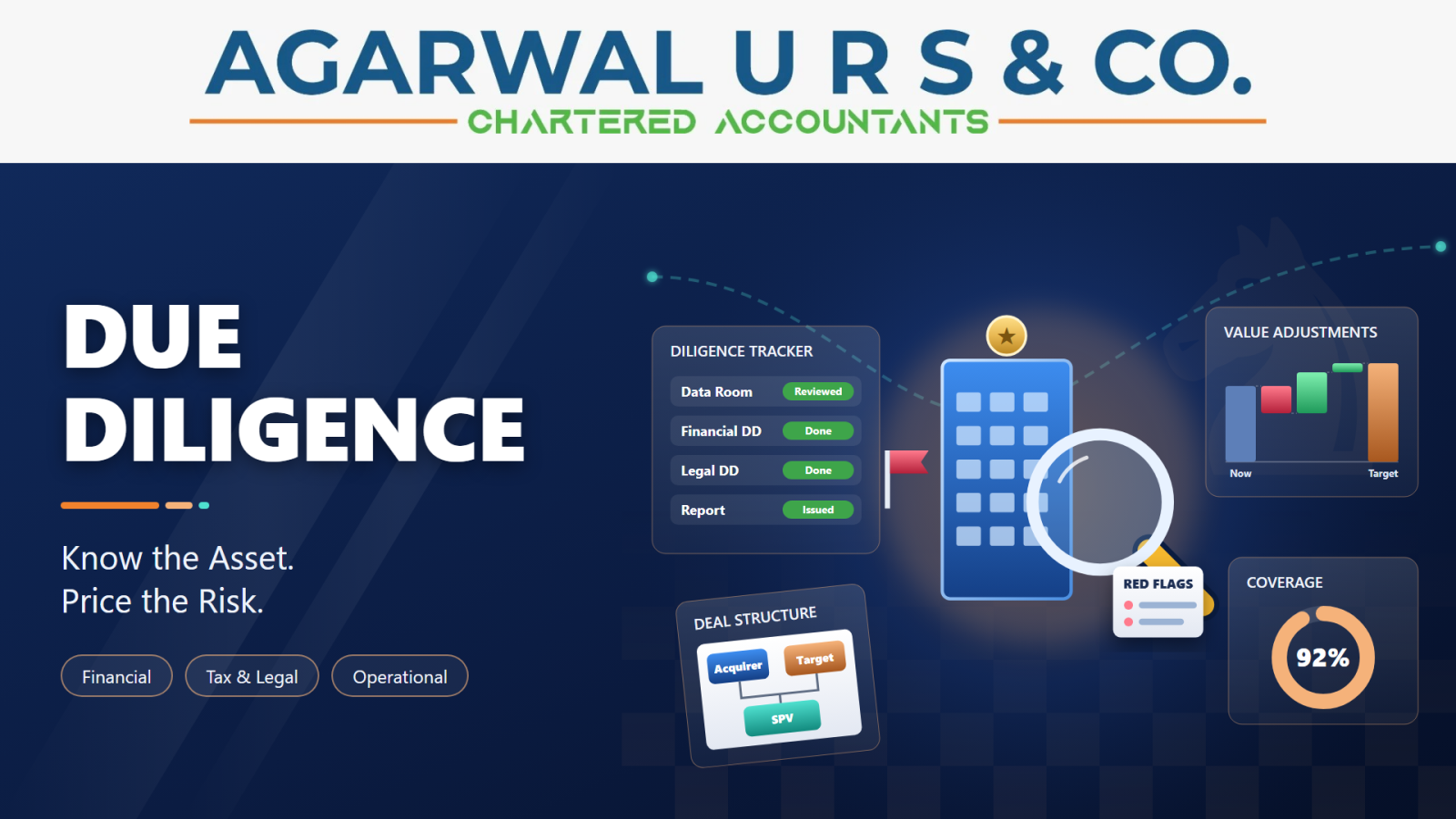
Distressed targets often come with incomplete records, informal arrangements, and years of deferred housekeeping that make them fundamentally harder to diligence than a healthy business. A thorough review of the target's financial position, tax history, legal standing, and operations is what allows a prospective acquirer to bid with confidence, structure appropriate protections, and avoid inheriting liabilities that were never disclosed or were simply not visible in the available information. This matters to resolution applicants, financial investors, and lenders alike, since the quality of diligence directly shapes the price and terms that make commercial sense.
Why This Matters
In a stressed situation, management bandwidth is often consumed by survival rather than record-keeping, and key documents, contracts, or approvals may be missing, outdated, or contested. Contingent liabilities such as guarantees, pending litigation, disputed tax demands, and unrecorded employee dues are common in such targets and can materially change the economics of a deal if discovered only after the acquisition closes. A rigorous diligence exercise, conducted within the often compressed timelines of a resolution process, is the primary safeguard against these surprises.
How We Help
Financial Due Diligence
We examine the target's financial statements, management accounts, and underlying records to test the reliability of reported numbers, identify off-balance-sheet exposures, and assess working capital and cash flow trends that a resolution plan or valuation must realistically account for.
Tax Due Diligence
We review the target's direct and indirect tax filings, assessments, and pending disputes to quantify tax-related contingent liabilities and to flag positions that could affect the acquirer once the business changes hands, feeding these findings directly into the tax structuring of the transaction.
Legal Due Diligence
We review material contracts, security and charge documents, litigation, regulatory correspondence, and corporate records to assess the target's legal standing, identify consents or approvals needed for the transaction, and highlight disputes or defaults that could affect the acquirer's rights post-acquisition.
Operational Due Diligence
We assess the state of the target's assets, key contracts, customer and vendor relationships, and workforce, to understand how much of the underlying business is genuinely viable and what investment or intervention will be needed to stabilise and revive operations after acquisition.
Who Needs This
- Resolution applicants preparing to bid for a stressed asset under the Insolvency and Bankruptcy Code
- Strategic and financial investors evaluating a distressed acquisition outside formal insolvency
- Asset reconstruction companies and lenders assessing recovery value
- Committees of creditors comparing competing resolution plans
Our Approach
We scope diligence to the realities of the target and the timeline available, prioritising the areas most likely to affect value and deal viability rather than pursuing an exhaustive but undifferentiated checklist. Findings are communicated in a manner that feeds directly into valuation, structuring, and negotiation, so that diligence functions as a decision-support exercise rather than a standalone report produced after key decisions have already been made.
Get in Touch
To discuss how we can support you with due diligence, write to us at info@agarwalurs.com.
Get In Touch