Home
Internal Audit
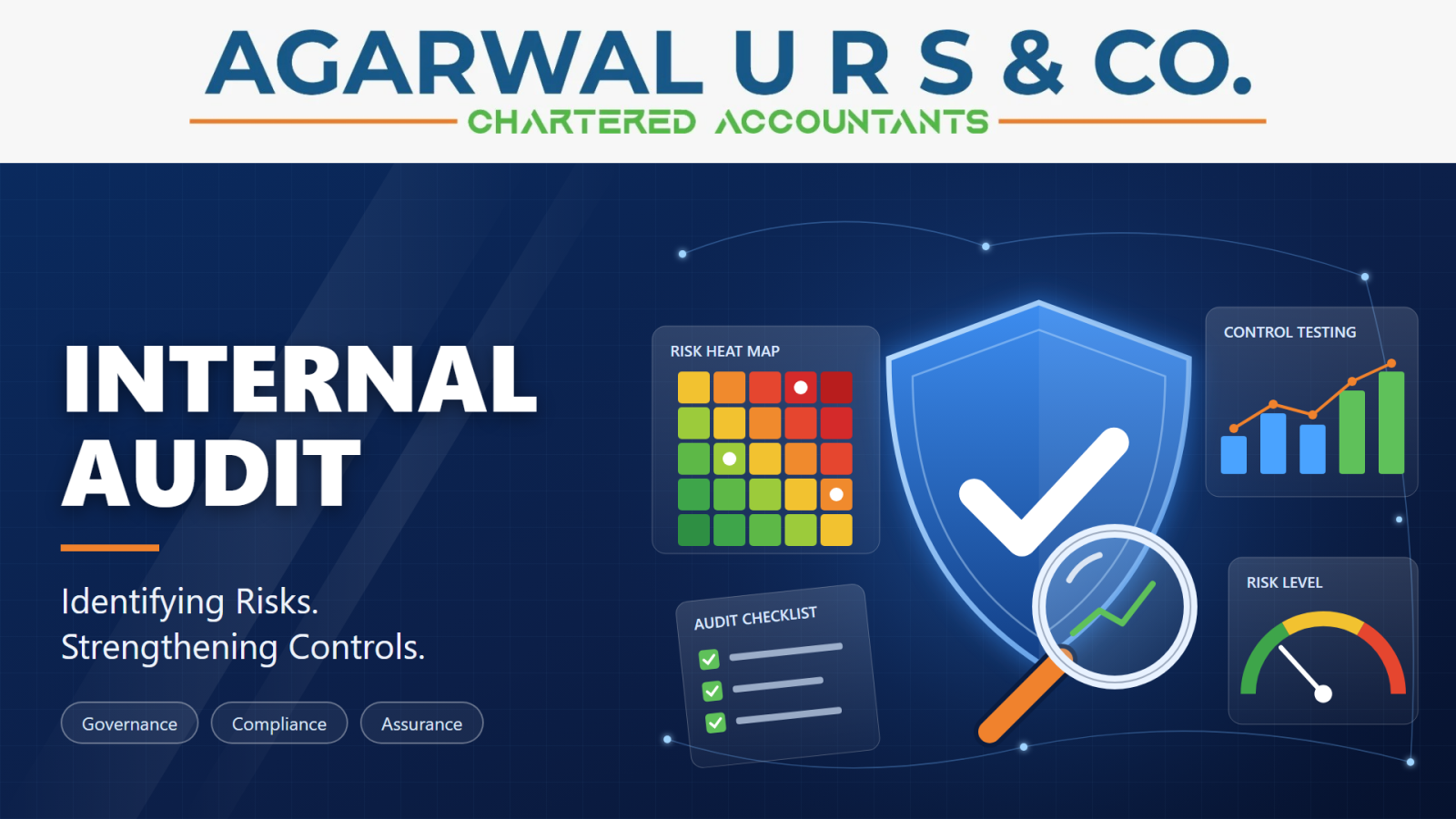
Internal audit is an independent, objective assurance function that evaluates the design and operating effectiveness of an organisation's internal controls, risk management practices, and governance processes. Unlike a statutory audit, which focuses on the fairness of financial statements for external stakeholders, internal audit looks inward, examining how well day-to-day operations, financial processes, and compliance obligations are actually being managed. For Indian companies, particularly those covered under the Companies Act, 2013 and listed entities under SEBI regulations, a well-functioning internal audit function is both a statutory requirement and a genuine management tool for catching problems early.
Why This Matters
Weak internal controls rarely announce themselves until a fraud surfaces, a regulator raises a query, or a customer complaint exposes a process failure that had been building for months. Organisations without a structured internal audit programme tend to discover control breakdowns only after they have caused financial loss or reputational damage. A properly scoped internal audit function gives management and the board early visibility into control gaps, process inefficiencies, and emerging risks, allowing corrective action to be taken before small issues become material ones.
How We Help
Risk-Based Audit Planning
We work with management and the audit committee to build an annual internal audit plan that prioritises the areas of highest risk, rather than applying a uniform checklist across every function. This ensures audit hours are spent where they matter most, whether that is a fast-growing sales vertical, a newly automated finance process, or a function with a history of control lapses.
Process and Control Testing
Our teams walk through key business cycles, procurement, sales and collections, payroll, inventory, and treasury, to test whether the controls that are supposed to be operating are actually being followed in practice. We look for gaps between the documented process and what employees actually do, which is frequently where real exposure lies.
Reporting and Remediation Tracking
Findings are reported in a manner the audit committee and management can act on, with clear root causes, risk ratings, and practical recommendations rather than generic observations. We also track previously raised issues to closure, so recurring findings do not simply get repeated year after year without resolution.
Co-Sourced and Outsourced Internal Audit
Depending on the size and complexity of the organisation, we can act as the entire internal audit function or work alongside an in-house team to supplement specialist skills, such as IT audit, treasury audit, or forensic review, on specific assignments.
Who Needs This
- Companies mandated to have internal audit under Section 138 of the Companies Act, 2013
- Listed companies and their material subsidiaries under SEBI Listing Obligations and Disclosure Requirements
- Private and family-owned businesses seeking independent visibility into operations as they scale
- Organisations that have recently experienced a fraud, control failure, or rapid growth in headcount or locations
Our Approach
We tailor the internal audit approach to the organisation's actual risk profile rather than running a generic, one-size-fits-all programme. This means spending time understanding the business before finalising the audit universe, using data analytics where volumes justify it, and writing reports that management can genuinely use to strengthen operations rather than a compliance formality that gets filed away.
Get in Touch
To discuss how we can support you with internal audit, write to us at info@agarwalurs.com.
Get In Touch